Do You Need a Permit for a 10×12 Shed? A State-by-State Starter Guide
- Most local jurisdictions do not require a building permit for a 10×12 shed because 120 square feet falls under standard minimum size thresholds.
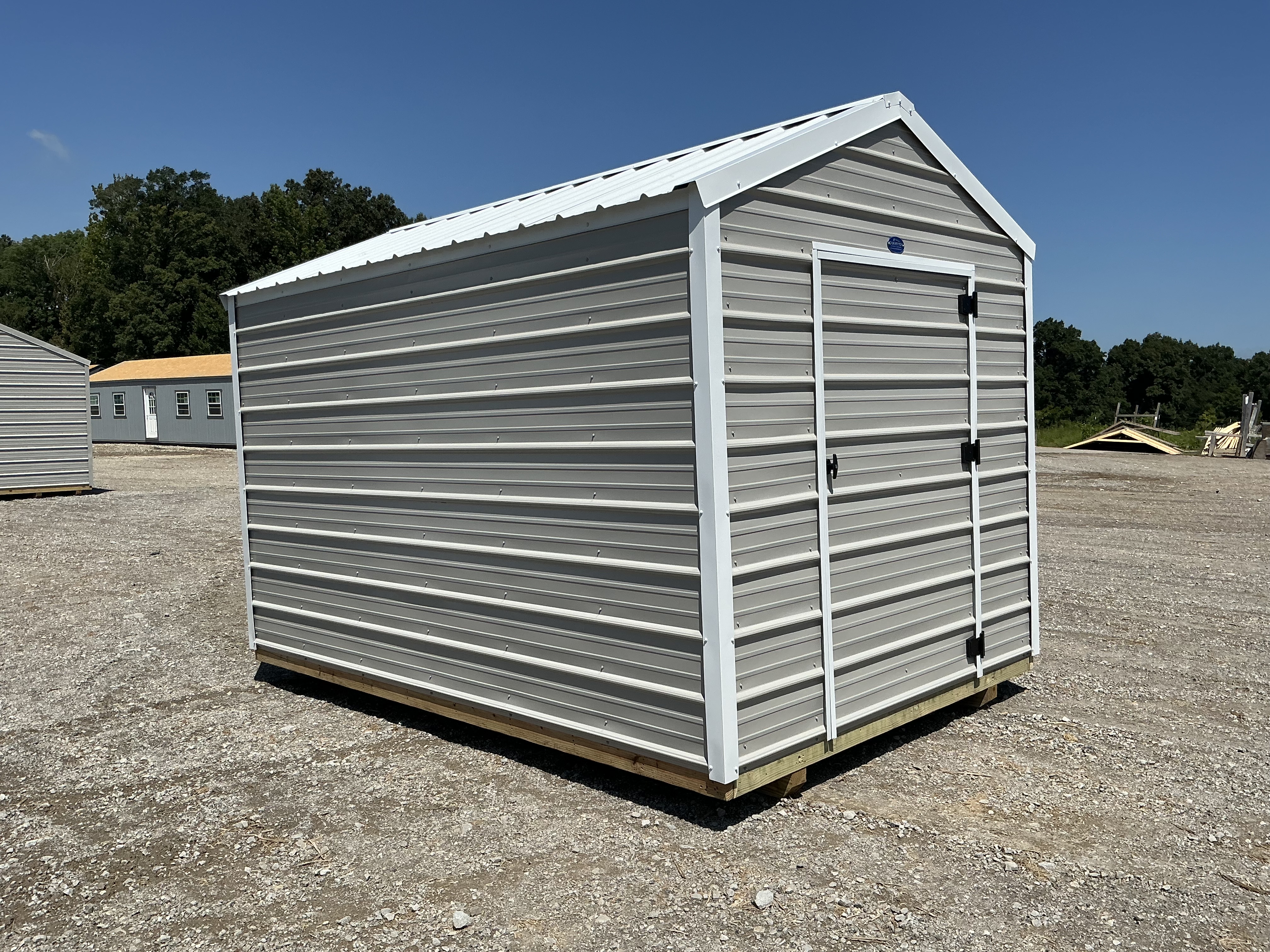
- Non-permanent portable buildings on skids or concrete blocks often avoid strict construction permits required for permanent structures.
- Electric wiring additions, plumbing hookups, or placement near property lines can trigger local permit rules regardless of overall size.
Homeowners planning a property upgrade often ask: Do you need a permit for a 10×12 shed? Typically, the answer is no. However, local building codes can vary based on structure dimensions, foundation types, and specific property locations.
Champion Portable Buildings crafts durable structures designed to comply with local shed permit requirements while providing effortless storage solutions. We proudly serve homeowners across Alabama, Mississippi, Ohio, Tennessee, and Georgia with high quality portable structures.
Do You Actually Need a Permit for a 10×12 Shed? (The Short Answer)
Before making a decision, you want to know: do you need a permit for a shed that is 10×12 (or smaller)? Generally, no, you do not.
In most counties, a 10×12 structure measuring exactly 120 square feet does not require a building permit. Local building departments typically set permit minimums at 120 or 200 square feet for unconditioned accessory structures.
The 3 Things That Trigger a Permit: Size, Foundation & Use
- Size limits: Square footage exceeding local thresholds triggers mandatory building reviews and structural inspection requirements
- Foundation type: Permanent foundations like poured concrete slabs reclassify temporary structures into permanent buildings
- Intended use: Residential additions, plumbing, or custom electrical packages require specialized trade permits regardless of overall size
Why Portable Buildings Often Skip the Permit Process
Portable structures built on wooden skids or temporary blocks remain classified as non-permanent accessory buildings. This portable design allows structures to bypass heavy foundation permits required for traditional construction.
Permit Rules by State: Alabama, Mississippi & Ohio (Champion Service Area)
- Alabama: Rural counties frequently exempt accessory structures under 200 square feet from structural building permits
- Mississippi: Local jurisdictions often waive permit requirements for portable buildings measuring under 200 square feet
- Ohio: Municipalities frequently enforce local zoning checks and setback reviews even when structural permits are unnecessary
- Tennessee: Regional planning offices enforce county zoning guidelines and property line setback limits for detached structures
- Georgia: Local municipal codes require zoning verification to ensure accessory buildings comply with regional land use rules
How Much Does a Shed Permit Cost?
So, how much is a permit to build a shed? Typically, fees range from 20 to 150 dollars, depending on location. Flat fees apply to basic accessory structures, while larger custom builds incur charges based on total square footage. Minor administrative permit fees remain far less expensive than unpermitted building fines.
Setbacks, HOAs & Utility Hookups: The Other Rules to Check
Property setbacks dictate minimum distances between your building and neighboring property lines or easements. Homeowners associations enforce strict aesthetic guidelines regarding roof materials, siding types, and paint colors.
Utility hookups introduce specific code requirements regardless of building dimensions. Standard cabins do not come standard with electrical wiring, though opting for custom electrical packages triggers electrical trade inspections.
How to Pull a Permit in 3 Steps (If You Need One)
You can secure a building permit quickly by following a straightforward process:
- Draw a basic plot plan showing your property lines, existing structures, and proposed building location
- Submit your building dimensions, framing details, and site plan to your local zoning department
- Pay required application fees and schedule final inspections after site setup completes
Let Champion Help You Size a Building That Fits Your Rules
Once you know your permit situation, the next step is choosing the right size for your property needs. Browse our durable utility building models or design your custom layout using our 3D builder. Whether you choose Economy, Traditional, or custom Elite tiers, our crew delivers and sets up your building free within 50 miles.
Not sure what your county allows? Call your local Champion dealer at (256) 410-8124 or use our directory to find a dealer near you today. We build directly to your setback limits and local size requirements!
